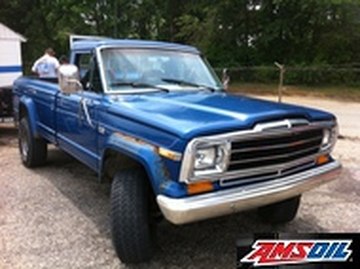
Engine Oil Maintenance for your 1983 Jeep J10 PICKUP 4.2L
Maintaining the engine of a classic vehicle like the 1983 Jeep J10 PICKUP requires consistent attention to fluid quality and lubrication schedules. Proper oil management is one of the most effective ways to support the longevity of the internal components within your 4.2L engine.
What oil does my 1983 Jeep J10 PICKUP 4.2L take?
For this vehicle, the following 10W-30 options are listed: Signature Series 10W-30 Synthetic Motor Oil (ATMQT-EA), XL 10W-30 Synthetic Motor Oil (XLTQT-EA), and OE 10W-30 Synthetic Motor Oil (OETQT-EA).
Understanding Engine Oil Functions
Engine oil serves several critical roles within the 4.2L engine. Primarily, it provides a thin film of lubrication between moving metal parts, such as pistons, crankshaft bearings, and camshafts, to prevent direct contact and subsequent wear. Beyond lubrication, the oil helps to carry heat away from high-temperature zones in the combustion chamber and upper engine components, assisting the cooling system in maintaining stable operating temperatures.
Additionally, oil acts as a cleaning agent. As it circulates through the engine, it picks up microscopic debris, soot, and combustion byproducts. These contaminants are then carried to the oil filter, where they are trapped to prevent them from recirculating through the engine's sensitive passages.
Monitoring Oil Levels Regularly
One of the most important maintenance habits for any vehicle owner is checking the oil level frequently. Even in a well-maintained engine, minor consumption can occur over time. Checking the dipstick allows you to ensure that the lubricant remains within the safe operating range.
To get an accurate reading, it is generally best to check the oil when the vehicle is parked on level ground and the engine has been allowed to sit for a few minutes after running. This ensures that the oil has had time to drain back into the oil pan, providing a true representation of the volume available for the next start cycle.
The Importance of Oil Filter Maintenance
An engine oil change is not complete without replacing the oil filter. The filter is responsible for removing the contaminants collected during the lubrication cycle. Over time, a filter can become saturated with debris, which reduces its ability to clean the oil effectively. In some cases, if a filter becomes completely blocked, bypass valves may open to ensure the engine still receives lubrication, but this means unfiltered oil is circulating through your engine.
Replacing the filter during every oil service ensures that you are always introducing fresh, clean lubricant into the system alongside new oil. This practice helps maintain consistent oil pressure and protects internal components from abrasive particles.
Identifying Potential Oil Leaks
Older vehicles may develop leaks at various gaskets or seals due to age and thermal cycling. Common areas where oil might escape include the valve cover gaskets, oil pan gaskets, or the rear main seal. Detecting a leak early can prevent significant oil loss and potential engine damage caused by running with insufficient lubrication.
Regularly inspecting the ground where the vehicle is parked for dark spots or oily residue can provide an early warning of a leak. Additionally, observing the engine bay for any signs of wetness or "sweating" around component interfaces can help identify areas that may require attention during your next service.
Managing Oil Contamination and Degradation
Oil does not just wear out; it also degrades due to chemical changes caused by heat and exposure to combustion byproducts. Acids can form within the oil as a result of combustion, which can potentially lead to internal corrosion if the oil is not changed according to the manufacturer's recommended schedule.
To maintain engine health, always follow the maintenance schedule provided in your owner's manual. Following these intervals ensures that the oil retains its ability to lubricate, clean, and protect the engine components effectively without becoming overly acidic or thick with sludge.
What oil filter does my 1983 Jeep J10 PICKUP 4.2L need?
The following oil filters are listed for this vehicle:
- EA15K32-EA — AMSOIL Ea Oil Filters
- 51522-EA — WIX Oil Filter
BUYING ENGINE OIL
When you are ready to purchase lubricant for your 1983 Jeep J10 PICKUP, refer to the specific options listed for this application. You can choose between different formulations such as Signature Series, XL, or OE versions of 10W-30. Always ensure that any product you select matches the requirements specified for your engine to maintain proper lubrication and engine performance.